We have completed another productive week of electrical installations and safety inspections across Maidenhead. From residential calls in Bray to commercial maintenance near the town centre, the team has been consistently busy addressing a variety of electrical requirements. Throughout these visits, we regularly notice a few common electrical safety issues that homeowners and landlords may not realise are worth checking.
Electrical safety is not just about avoiding immediate shocks; it is about protecting the long-term condition of your property’s wiring system. In older Maidenhead properties, many of which still feature original wiring, these issues can develop into more serious risks if they are not identified and put right by a qualified electrician in Maidenhead.
Overloading Power Strips and Sockets
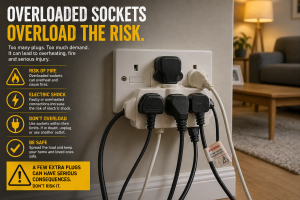
One of the most widespread issues we encounter is the overloading of electrical circuits. With the increasing number of gadgets and appliances in modern households, the demand on internal wiring has grown steadily. It is common to see multiple high-wattage appliances, such as kettles, toasters, and coffee machines, plugged into a single multi-way extension lead.
This can create a significant fire risk. Most extension leads are rated for a maximum of 13 amps. If the combined power consumption of the plugged-in devices exceeds this rating, the lead can overheat. Unlike a consumer unit upgrade with modern sensitive breakers, older systems may not trip immediately when a power strip is overloaded, which can lead to scorched sockets or melted plastic.
We recommend distributing high-power appliances across different wall outlets. If you find yourself relying heavily on extension leads, it is often a sign that your property would benefit from additional fixed socket outlets to handle the load more safely.
Relying on Extension Cords as Permanent Wiring
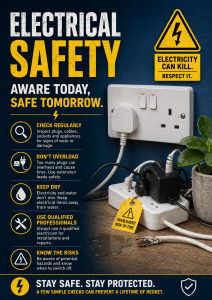
Extension cords are designed for temporary use, yet we often find them tucked under carpets or pinned along skirting boards as a long-term solution for months or even years. This is something we advise avoiding. When a cord is placed under a rug or carpet, heat cannot dissipate properly, and the physical pressure of people walking over it can degrade the internal insulation.
Degraded insulation can lead to exposed wires, increasing the risk of both electrical fires and electric shocks. Extension leads also do not provide the same level of protection as a permanent circuit installed by a professional. If you are struggling with a lack of outlets in a particular room, the safest option is to have a professional install additional points. This ensures the new wiring is correctly integrated into your home’s MCB (Miniature Circuit Breaker) protection system.
5 Warning Signs Your Fuse Board Needs an Upgrade
A critical component of home safety is the consumer unit, often referred to as the fuse board. This is the “brain” of your home’s electrical system. As part of our weekly focus for Maidenhead homeowners, we have compiled the top five warning signs that your current board may be outdated or failing.
- The Enclosure is Made of Wood or Plastic: Older fuse boards often have wooden backs or plastic enclosures. Modern regulations require consumer units to be made of non-combustible material (usually metal) to contain any potential fires.
- Frequent Tripping or Blown Fuses: If your breakers trip regularly or you are still replacing fuse wire, your system is struggling to cope with modern electrical demands.
- Lack of RCD Protection: An RCD (Residual Current Device) is a life-saving device designed to prevent you from getting a fatal electric shock. If your board does not have a “Test” button, it likely lacks this essential protection.
- Flickering Lights or Buzzing Noises: These sounds often indicate loose connections or arcing within the board itself. This is a serious fire risk that requires immediate attention.
- Visible Damage or Scorching: Any signs of discolouration or a smell of burning around the fuse board mean the components are overheating.

Neglecting External Electrical Safety
As we approach the warmer months, many residents begin preparing their gardens for use. However, outdoor electrical safety is often secondary to interior concerns. We have recently carried out several repairs where standard indoor-rated cables were used to power garden lights or shed sockets.
Standard cables are not designed to withstand UV exposure, moisture, or accidental damage from garden tools. For any outdoor installation, we use steel-wired armoured (SWA) cable to ensure the installation remains safe and durable.

We also ensure that outdoor circuits are protected by a dedicated RCD. Given the increased risk of moisture, an RCD is vital as it will disconnect the power in a fraction of a second if a fault occurs, such as a lawnmower cutting through a cable. If your outdoor electrics have not been inspected recently, now is the ideal time to ensure they are safe for the upcoming BBQ season.
The Danger of “DIY” Electrical Repairs
While many home improvement tasks are suitable for a DIY approach, electrical work generally is not. We frequently visit homes to rectify “botched” jobs where homeowners have attempted to add sockets or change light fittings without the proper testing equipment.
The primary risk of DIY work is the lack of verification. Without the correct testing meters, it is impossible to know if the earthing is sufficient or if the polarity is correct. An incorrectly wired circuit might seem to work initially, but it could leave the metal parts of appliances “live” or prevent the circuit from tripping during a fault. In the UK, many electrical tasks are “notifiable” under Part P of the Building Regulations, meaning they must be carried out or certified by a registered professional to ensure legal compliance and safety.
For Maidenhead Landlords: The Importance of EICRs
If you are a landlord in Maidenhead, electrical safety is not just a recommendation; it is a legal requirement. The Electrical Safety Standards in the Private Rented Sector Regulations 2020 require landlords to have the electrical installations in their properties inspected and tested by a qualified person at least every five years.
This inspection results in an EICR (Electrical Installation Condition Report). During an EICR in Maidenhead, we check the condition of the wiring, the consumer unit, and all fixed electrical equipment. We look for any potential hazards, such as lack of earthing, overloaded circuits, or outdated components.
An EICR provides peace of mind for both the landlord and the tenant, ensuring the property meets current safety standards. If the report identifies any “Code 1” (Danger Present) or “Code 2” (Potentially Dangerous) issues, these must be rectified within 28 days to maintain compliance.
Incorrect Use of Light Bulbs
A simple but common mistake is using light bulbs with a higher wattage than the fixture is rated for. Every light fitting has a maximum wattage limit (e.g., “Max 40W”). If a 100W bulb is installed in a 40W fixture, the excessive heat generated can melt the socket and the insulation on the wires leading to the fitting.
We consistently recommend switching to LED bulbs. LEDs produce very little heat compared to traditional incandescent or halogen bulbs, significantly reducing the fire risk. Additionally, they are far more energy-efficient, which helps to lower electricity bills. We will be covering the benefits of LED downlights in more detail in our upcoming blog posts.

Identifying Warning Signs in the Home
Electrical faults rarely happen without some form of warning. Being aware of these signs can prevent a minor issue from becoming a dangerous fault.
- Warm Wall Outlets: If a socket feels warm to the touch, it indicates a loose connection or an overloaded circuit.
- Persistent Burning Smells: A distinctive “fishy” or plastic burning smell is often a sign of electrical components overheating. This should be checked promptly by an electrician in Maidenhead.
- Sparking Sockets: While a tiny blue spark when plugging something in can be normal, frequent or large sparks indicate a fault within the socket or the appliance plug.
- Dimming or Flickering Lights: This often suggests a drop in voltage or a loose wire in the circuit or the consumer unit.
Addressing these issues early is always more cost-effective and safer than waiting for a complete system failure.
Ensuring Your Home is Safe
At JTH Electrics, we prioritise the safety and functionality of your home’s electrical system. Whether you are concerned about an aging fuse board or you need a formal inspection for a rental property, our team is equipped to provide thorough assessments and high-quality installations.
We carry out all work to the latest BS 7671 standards, ensuring that every project, from a simple socket replacement to a full consumer unit upgrade, is completed to the highest safety specifications.
If you are based in Maidenhead or the surrounding areas and have concerns about the safety of your electrical system, please feel free to contact us for a professional assessment. We are here to help you maintain a safe and efficient home.