Understanding the Impact of Di-Isoctyl Phthalate (Green Goo) on Cable Insulation and Copper: A Crucial Concern for Electrical Systems
Introduction
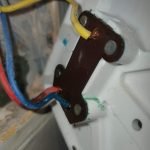
At JTH Electrics, we strive to provide top-quality electrical solutions that ensure safety, reliability, and efficiency. As part of our commitment to customer education, we find it crucial to shed light on potential issues that can affect electrical cables. One such problem that warrants attention is cable degradation caused by a reaction between the insulation and the copper, specifically due to the presence of Di-Isoctyl Phthalate (DIOP).
The Role of Insulation in Electrical Cables
Electrical cables are intricate systems composed of conductors (usually copper) and an insulating material that surrounds and protects the conductors. The insulation serves as a barrier, preventing electrical leakage, short circuits, and maintaining the integrity of the cable’s core components.
Understanding Di-Isoctyl Phthalate (DIOP)
Di-Isoctyl Phthalate (DIOP) is a type of plasticizer commonly used in cable manufacturing processes. Plasticizers are added to insulation materials to increase their flexibility and make them easier to handle during cable installation. DIOP has been favored for its excellent electrical and thermal properties, making it an attractive choice for enhancing cable insulation.
The Reaction Between DIOP and Copper
Over time, cable insulation can undergo degradation due to a reaction between DIOP and copper. This chemical reaction can occur under certain conditions, including exposure to high temperatures, pressure, and moisture. As the DIOP interacts with the copper conductor, it can lead to the formation of harmful byproducts and weaken the insulation’s overall integrity.
Consequences of Cable Degradation
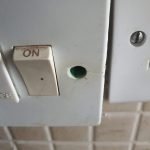 Reduced Electrical Performance: The degradation of cable insulation can cause increased capacitance, leading to power losses and signal attenuation. This, in turn, can compromise the cable’s electrical performance and efficiency.
Safety Hazards: Cable degradation can lead to insulation breakdown and expose the copper conductors, increasing the risk of short circuits, electrical shocks, and potential fire hazards.
Unreliable Electrical Systems: The compromised cables may result in erratic electrical behavior, intermittent connections, and system failures, leading to costly downtime and maintenance.
Environmental Impact: In some cases, the byproducts formed during the DIOP-copper interaction might be harmful to the environment, raising concerns about cable disposal and potential pollution.
Preventive Measures
Material Selection: Choose high-quality insulation materials with low potential for DIOP-copper reaction. Consider alternatives to DIOP-based plasticizers if possible.
Thermal Management: Ensure that cables are not exposed to excessive temperatures during operation, storage, or installation.
Moisture Resistance: Protect cables from moisture infiltration, as it can exacerbate the DIOP-copper reaction.
Regular Inspection and Maintenance: Implement routine inspections and maintenance to identify any signs of cable degradation early on and take appropriate corrective actions.
Conclusion
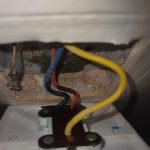 At JTH Electrics, we recognize the critical importance of cable insulation in maintaining electrical system reliability and safety. The issue of cable degradation due to a reaction between DIOP and copper underscores the need for careful material selection, proper handling, and regular maintenance. By staying informed about potential risks and implementing preventive measures, we can ensure the longevity and efficiency of electrical installations, providing our customers with reliable and enduring solutions.